ClawBud vs Hostinger OpenClaw: Offers, Controls and Costs
· ClawBud editorial team
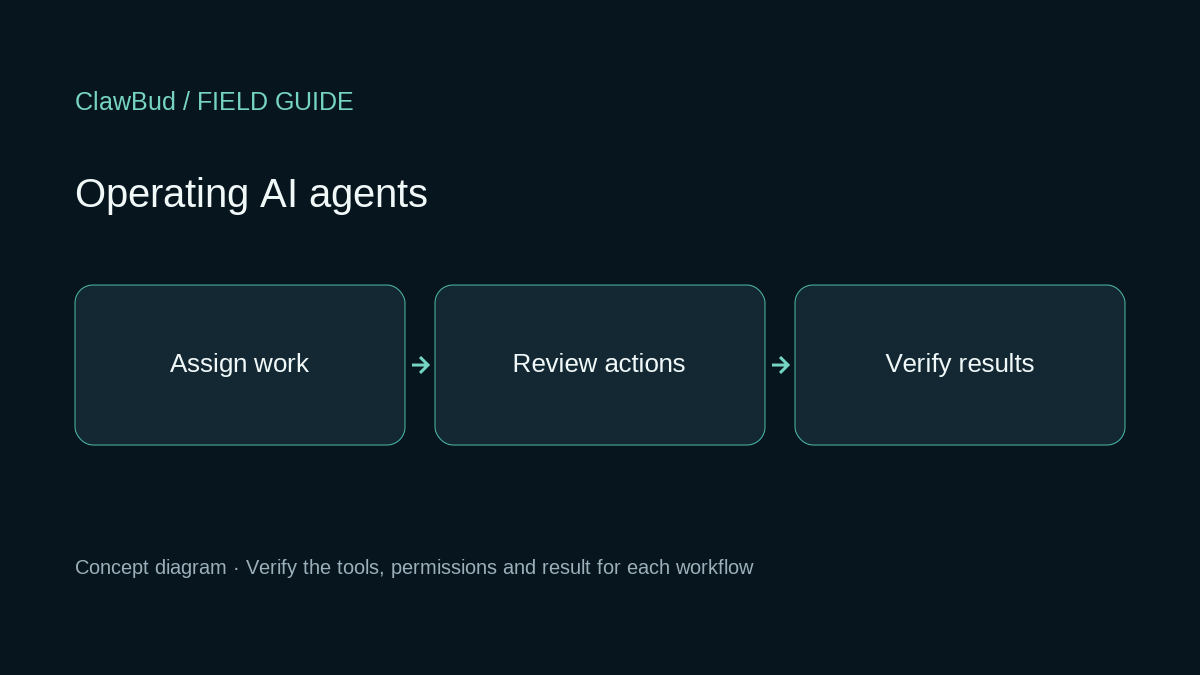
Record the exact Hostinger product page and selected plan before comparing it with ClawBud. The AI Automation Apps and OpenClaw application pages show different offers and renewal terms. Check the workflow, controls and operating duties attached to the actual order.
Reviewed November 17, 2026. ClawBud publishes this comparison. We rechecked current public product pages and terms; no comparative deployment, migration or performance test was performed.
Identify the exact Hostinger offer
Hostinger AI Automation Apps lists OpenClaw, Hermes Agent, n8n and Paperclip. Hostinger says it handles setup, updates, backups and security for this product. The page describes included AI credits, optional credit top-ups and connecting an existing model account or API key.
The OpenClaw application page now lists APP VM plans and describes a private virtual machine with managed infrastructure maintenance. It marks backups, multi-container support and custom docker-compose as coming soon. Confirm available controls in the selected offer instead of assuming an older VPS template’s features still apply.
For either product, identify the application and plan on the actual order. Ask who owns a disconnected tool, an expired credential and a failed scheduled report. Specify which changes require your approval and how you can retrieve the evidence needed to investigate a problem. Our self-hosted versus managed guide provides a responsibility checklist for that discussion.
Compare the invoice and renewal basis
The following USD offers were visible on the review date in Hostinger's United States/English interface and ClawBud's public plan information. The commitments differ, so compare the upfront invoice as well as the displayed rate. Hostinger states that its listed prices exclude VAT; check tax and currency treatment in your own checkout.
| Offer observed | Initial commitment | Renewal or usage distinction |
|---|---|---|
| Hostinger managed app | $4.99/month equivalent; $119.76 for 24 months | Advertised renewal: $11.99/month for the same term |
| Hostinger OpenClaw VM, APP 1 | $4.99/month equivalent; $119.76 for 24 months | Advertised renewal: $9.99/month for the same term |
| ClawBud BYOK | $20/month public plan | Connected model-provider charges are separate |
Both Hostinger examples shown here use a 24-month commitment. The OpenClaw page’s APP 1 card lists 1 vCPU, 4 GB RAM and 25 GB NVMe storage. These are advertised offers, not checkout receipts or equivalent resource allocations; retain the exact product page and selected term with a quote.
ClawBud's current monthly selector also lists Starter at $39 with 10,000 credits, Pro at $79 with 25,000 and Business at $169 with 60,000. Included platform credits and provider tokens are different units. Compare the exact models, included usage and external-tool costs for the selected workload; a smaller displayed subscription rate cannot establish its total operating cost.
Confirm the initial charge, billing term, renewal, cancellation and any usage top-ups before purchase. Do not multiply a promotional monthly equivalent by one month and treat that as the amount due. Keep the provider's current quote with your evaluation, since promotions and checkout eligibility can change.
Read the switching terms before connecting important work
Hostinger's managed-app FAQ says that configurations, conversation history and custom setups do not automatically transfer when changing applications. Its switching guide documents deleting an application and setting up another. It says this is not a subscription migration and deletion does not trigger refund or proration.
Before using that process, inventory the files, instructions, schedules and connection references you need. Ask what can be exported and what needs rebuilding. Keep a copy in an approved location and check that it can be read. This is an evaluation step for a test environment; we have not deleted or switched a Hostinger application.
Apply the same portability questions to ClawBud. Separate supported runtimes can have different state formats and connection requirements. A dashboard listing several agents is not evidence that a workflow can move between them without reconfiguration. Require a demonstrated transfer for any state your project depends on.
Check account boundaries and the required operating controls
ClawBud provides a private cloud computer for an account. Standard agents have separate identities, workspaces, memory and sessions while sharing that account's VM, gateway, tools and provider credentials. Additional managed-isolation controls are restricted to approved accounts through the customer API and retain shared account infrastructure. They are not separate computers for every agent.
The current ClawBud API reference documents agent creation and message routing for account agents. If your requirement is to create named workers and route jobs to them, include that path in the evaluation. Check the runtime and account permissions you will actually use. This documentary comparison does not demonstrate a deployed hierarchy or a security boundary.
For Hostinger, ask for the corresponding controls in the exact managed application or VPS configuration you selected. Verify user access, tool permissions, evidence retention and intervention before connecting real records. A capability not established by the pages reviewed here remains a question for the provider; it should not be labelled absent.
Use a small workflow to check fit
Consider a fictional evaluation called hosting-choice-001. The task reads three supplied public documents, prepares a summary in a test folder and waits for review. It has no permission to message customers or alter production records. Define the accepted output and the person who will review it before setting up either service.
In an authorized test environment, record the chosen runtime, model, connection method and plan. Ask the operator to identify a failed document read and show where its evidence is stored. Then review a proposed change of application or runtime: which instructions and files can move, which connection must be authorized again and who stops the old schedule? These are proposed checks, with no results claimed.
Measure the result that was saved, the review work and the actual usage bill. Keep failed attempts in the record. Our hosting-cost guide explains how to separate platform fees, model usage and manual work without inventing a universal task price.
Choose the arrangement you can verify
Hostinger's managed app is worth evaluating when its catalog and guided setup meet the task and the subscription commitment suits your budget. Its VPS option is relevant when you want to operate the deployment through infrastructure controls. ClawBud is worth evaluating when the managed account, supported agents and documented account-agent API match the operating model you need.
Take the same synthetic workflow to each shortlisted setup. Keep the order terms beside the responsibility and export records, and resolve any untested requirement before expanding access. That gives the buyer a concrete basis for choosing without treating a promotional price or an application name as a completed workflow.
The image is a conceptual assignment, review and verification diagram. It is not a screenshot of either product or evidence of a comparative test.